
How Often Should You Wash Your Wood Fence
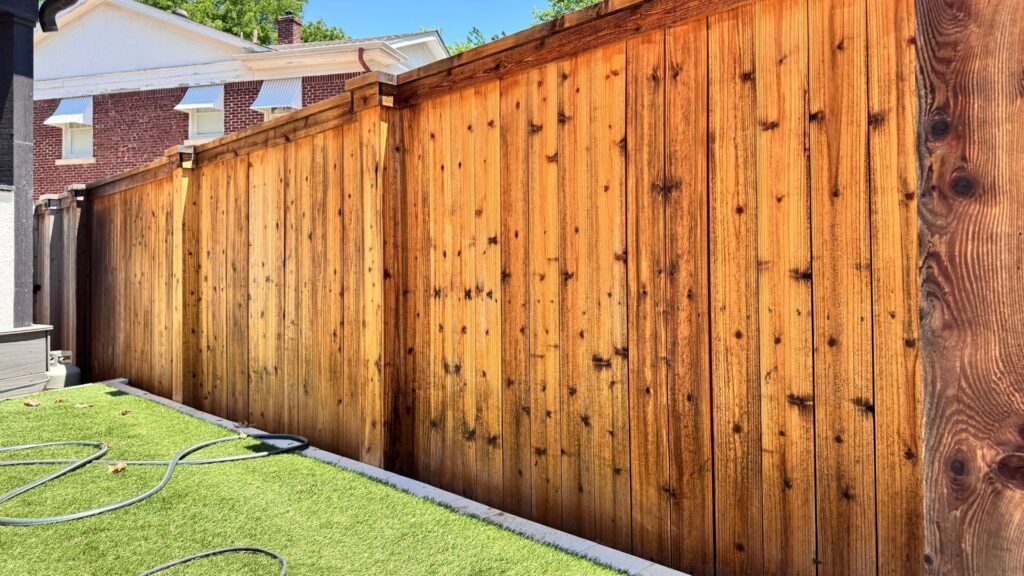
Quick Summary: Most wood fences need a professional wash once a year, though shaded, humid, or heavily wooded properties may need it twice. Dirt, pollen, algae, and mildew build up faster than most homeowners expect, and that buildup traps moisture against the wood. A proper wash removes it and preps the surface so stain and sealer can actually bond, rather than sitting on top of grime.
Table of Contents
Your fence takes more of a beating than it looks like from the porch. Rain, pollen, shade, and everyday dirt settle into the wood grain long before the color starts to fade, and by the time graying or dark streaks show up, buildup has already been sitting there for months. Knowing how often to wash it, and why the timing matters, keeps small maintenance from turning into a bigger repair later.
What Determines How Often Your Fence Needs a Wash
There is no single answer that fits every yard, because a fence tucked under trees behaves differently than one sitting in open sun. Shade and moisture are the biggest factors. Fences that stay damp longer after rain, whether from tree cover, sprinklers, or low airflow, collect algae and mildew faster than fences that dry out quickly. Location matters too. Homes in humid or rainy regions typically need a wash every 8 to 12 months, while drier climates can sometimes stretch to 18 months.
- Heavy shade or nearby trees (faster algae and pollen buildup)
- Sprinkler overspray or low airflow along the fence line
- Pets or kids brushing against the fence regularly
- Proximity to lawns, gardens, or mulch beds (more dirt and organic debris)
How Regional Weather Shapes Your Wash Schedule
Preservan works with homeowners across eight states, and the wash schedule that works in one region rarely fits another. Humid stretches of the Southeast see algae and mildew return faster because moisture lingers in the air long after a storm passes. Homes in the Midwest and Northeast deal with heavy spring pollen and freeze-thaw cycles that trap grit in the wood grain over winter. Drier climates in the Southwest and parts of the Plains get more relief from UV fading than moisture damage, so the wash can often wait closer to the 18-month mark. Whatever region you are in, pay attention to how quickly your fence looks dull or damp again after a wash. That timeline is more reliable than a fixed calendar date.
Signs Your Wood Fence Is Overdue for a Cleaning
Fences rarely go from clean to filthy overnight. The buildup happens gradually, so it helps to know what to look for before it turns into a bigger problem. Graying or a dull, chalky look usually means dirt and UV exposure have stripped away the wood’s natural oils. Dark streaks or greenish patches are typically algae or mildew, both of which thrive wherever moisture lingers. A musty smell near the fence line, especially after rain, is another sign that organic growth has taken hold.
- Gray, faded, or chalky wood surface
- Dark streaks or green or black patches
- A musty or damp smell along the fence
- Stain or sealer that looks blotchy or worn unevenly
Why a Garden Hose Is Not Enough
A quick rinse might knock loose surface dust, but it will not touch algae spores, embedded pollen, or the fine grime worked into the wood grain. The U.S. Environmental Protection Agency notes that mold and mildew cannot grow without moisture, which means any buildup that holds water against your fence is actively working against the wood’s lifespan. Professional washing uses the right pressure and cleaning solution to lift that debris without gouging or fraying the wood, something an over-powered pressure washer at the wrong setting can easily do. It is a balance most homeowners are not equipped to judge on their own, and getting it wrong can cost more to fix than the wash itself.
How Washing Sets Up Your Fence for Staining and Sealing
Stain and sealer are only as good as the surface underneath them. If dirt, algae residue, or old finish is still sitting in the wood grain, new product cannot penetrate evenly, and you end up with blotchy color and a shorter lifespan for the finish. A proper wash strips that layer away and opens the grain so stain absorbs the way it is supposed to. Preservan’s fence and deck care includes an eco-friendly stain and seal option that is pet-safe, marine-grade, and water-safe, so neighbors with kids, gardens, or pets nearby do not have to choose between a clean fence and a safe yard. Washing first, then staining, is the difference between a finish that looks good for a season and one that actually protects the wood.
Get Your Fence Back to Looking Its Best
If your fence looks tired, feels damp longer than it should, or has not been washed in the last year, have it looked at before staining or sealing anything. A trained eye can spot the difference between surface dirt and early wood damage.
Preservan has spent more than 20 years and completed over 2,700 projects helping homeowners protect the wood they already have instead of rushing into costly replacement. Schedule a consultation today for a fence washing and staining assessment today!