
How Fence Washing and Staining Help Homeowners Avoid Costly Repairs
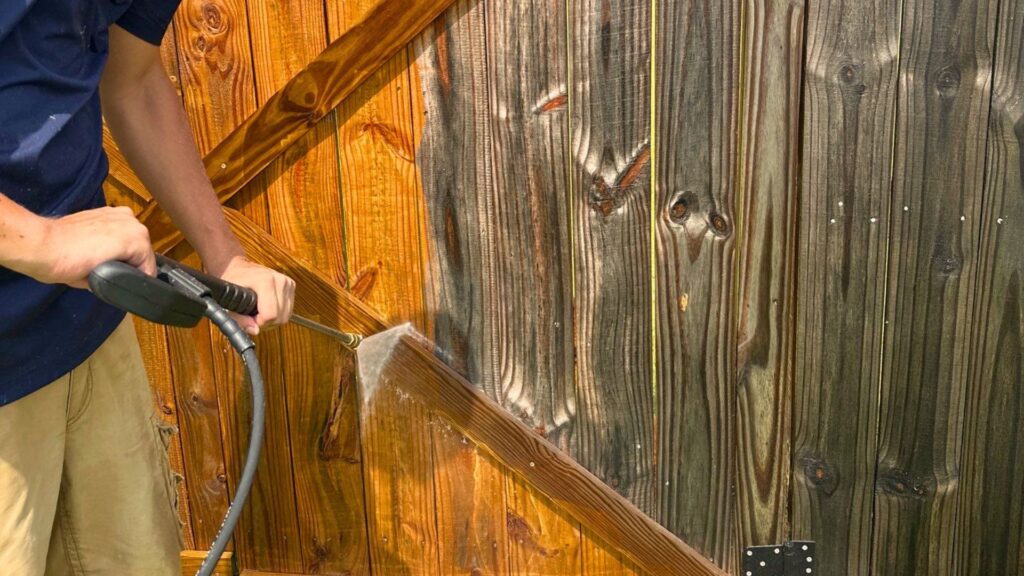
A properly maintained wood fence can last 15 to 20 years or more, depending on the type of wood and local climate. Without regular maintenance, wood fences often begin showing signs of deterioration much sooner, including discoloration, warping, cracking, and rot. Regular fence washing and staining are two of the most effective ways to protect your fence from moisture, UV damage, and premature aging.
Table of Contents
Your fence is exposed to UV rays, heavy rain, fluctuating temperatures, and biological growth year-round. Over time, these elements can break down the wood and compromise its appearance and structural integrity. Routine fence washing and staining help address these issues before they lead to more significant damage, extending the life of your fence and reducing the likelihood of costly repairs or premature replacement. Investing in regular maintenance is one of the most effective ways to protect both the appearance and value of your property.
What Happens to an Untreated Wood Fence
Wood is a biological material that reacts to everything weather delivers. Moisture absorbed during rain causes wood fibers to swell. When temperatures drop, that moisture freezes and expands inside the wood, creating micro-cracks. Repeated seasonal cycling of this process progressively weakens boards from within.
UV exposure breaks down lignin, the natural polymer that holds wood fibers together, leaving the surface gray, brittle, and increasingly porous. Mildew and algae colonize those porous surfaces, accelerating decay from the outside in. Dirt and organic debris trap moisture against the wood, prolonging wet conditions that invite rot. What looks like cosmetic weathering in year two can become structurally compromised wood by year five if no maintenance has been applied.
Why Fence Washing Comes Before Staining
Fence washing does more than clean the surface. It removes the layer of dirt, mildew, algae, and weathered wood fibers that prevent stain from penetrating the wood properly. Stain applied over a contaminated or degraded surface won’t bond to the grain effectively, and it will begin peeling or flaking within a single season, wasting both product and labor.
Professional cleaning using pressure or soft washing techniques calibrated to the wood species and condition preps the surface for maximum stain absorption. It also exposes problem areas. Soft spots, early-stage rot, and cracks that aren’t obvious during a casual inspection become apparent when the surface is clean and assessed by someone who understands wood deterioration. Identifying those issues at cleaning time keeps repair costs minimal compared to discovering them after visible damage has spread.
What Fence Staining Does for Wood Fence Protection
A quality penetrating stain soaks into the wood grain rather than forming a film on top. This provides protection from within the wood rather than a surface coating that weather can strip away over time. The fence staining benefits are threefold: moisture resistance that prevents absorption and swelling, UV protection that slows lignin breakdown, and color treatment that maintains curb appeal and signals active maintenance to prospective buyers.
Semi-transparent stains allow the natural grain to show through while delivering meaningful protection. Solid stains maximize UV blocking and are appropriate for weathered wood that needs coverage rather than enhancement. Both options significantly outperform leaving wood untreated. A properly applied stain extends the interval between repairs and reduces cumulative maintenance costs over the fence’s life.
How Often Should You Stain a Fence
Climate and sun exposure are the primary variables. In regions with significant UV load, high humidity, or pronounced freeze-thaw cycling, restaining every 2 to 3 years is appropriate. In milder climates with less extreme seasonal conditions, every 3 to 4 years may be sufficient.
A practical field test: sprinkle water on the fence surface. If it beads up and rolls off, the existing sealant is still effective. If it soaks in immediately, the wood is open to the elements and ready for a fresh cleaning and stain application. Catching this transition point early, before visible weathering and gray discoloration set in, keeps the fence in significantly better long-term condition.
The Cost Math on Preventive Fence Maintenance
Professional fence washing and staining is a relatively small investment that can save homeowners from much larger expenses down the road. While routine maintenance typically costs hundreds of dollars, replacing a wood fence can cost thousands. Regular washing and staining help protect against moisture, UV damage, mold, mildew, warping, cracking, and rot, extending the life of your fence and preserving its appearance and structural integrity.
At Preservan, we provide expert fence washing and staining services designed to help homeowners protect their investment and avoid premature fence replacement. If your fence is showing signs of wear or it’s been several years since its last treatment, schedule a free assessment today and learn how proactive maintenance can keep your fence looking great for years to come.