
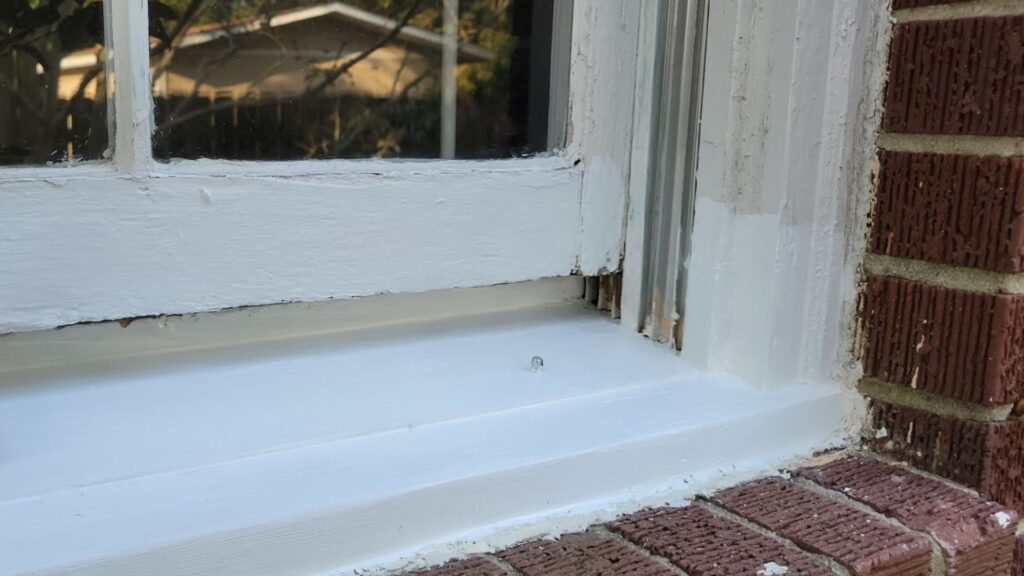
Quick Summary: Fall chores put you closer to the parts of your home where wood rot starts. Use leaf cleanup, flower bed work, holiday light hanging, and garage cleanouts to check siding bottoms, mulch lines, fascia, and door jambs. Press suspicious spots with a screwdriver, photograph what you find, and get it repaired before winter moisture makes it worse.
Table of Contents
Fall chores put you closer to your home’s exterior than any other season. You’re raking along the foundation, kneeling in flower beds, climbing a ladder to hang lights, and pulling bins out of the garage. Those are the same spots where wood rot starts. Catching it now, before winter moisture and freeze-thaw cycles go to work, often separates a small repair from a full replacement. Treat this season’s to-do list as a built-in walkaround of your home.
Why Fall Is the Best Time to Find Wood Rot
Decay fungi need moisture to grow. Research from the USDA Forest Products Laboratory shows wood generally won’t decay below 20% moisture content but will decay above 30% (USDA Forest Products Laboratory). Fall pushes a lot of exterior wood into that danger zone. Wet leaves pile against siding and porch steps. Gutters clog and overflow onto fascia and trim. Shorter days mean surfaces stay damp longer.
Damage that started over a humid summer also tends to show itself now. Paint begins to bubble, caulk pulls away, and trim that looked fine in June feels soft in October. Finding those spots before the ground freezes gives you time to repair them on your schedule, not after a winter of further decay.
Raking Leaves? Check the Bottom Few Feet of Your Home
Leaf cleanup puts your eyes right where rot is most common. The Wisconsin Historical Society notes that exterior wood tends to rot from the bottom up or the top down, so the lowest siding boards and sills deserve extra attention (Wisconsin Historical Society).
As you rake, look at:
- The bottom one or two rows of wood siding
- Corner boards and trim where they meet the foundation
- The base of door frames and porch posts
- Deck stair stringers and the posts closest to the ground
Press any suspicious spot with a flathead screwdriver. Sound wood resists. Rotted wood feels spongy, splinters across the grain, or lets the tip sink in with little pressure.
Working in Flower Beds? Look Where Soil Meets Wood
Mulch and soil often creep higher every year until they sit against siding and trim. That keeps wood wet long after a rain. Michigan State University Extension recommends keeping about 8 inches between the ground and the bottom of wood siding (MSU Extension).
While you’re cutting back perennials, check:
- Whether mulch or soil touches any wood
- Sprinkler heads that spray siding, columns, or lattice
- Dark staining or a musty smell behind shrubs
- Ground-floor window sills, especially above beds that get watered
Pull mulch back a few inches from the house and redirect sprinklers. Those two changes reduce moisture right away, even before any repair happens.
Hanging Holiday Lights? Look Up While You’re on the Ladder
Holiday decorating is one of the few times most homeowners get eye level with the top of their house. Use it. Overflowing gutters soak fascia boards, and water running off the roof edge collects at window heads and the tops of porch columns.
From the ladder, look for:
- Fascia boards that flex or crumble when you clip on light hooks
- Peeling paint or dark streaks on the trim above windows
- Gaps where porch column tops meet the beam
- Soft spots on porch ceilings near the edges
If clips won’t hold because the wood gives way, investigate before you string lights across it. Snap a photo so you have a record of exactly where you found it.
Cleaning Out the Garage? Inspect the Jambs and Trim
Garages take a beating from rain, snowmelt, and driveway splash. The bottoms of garage door jambs sit just inches from standing water, and they’re easy to miss behind bikes and storage bins.
Once the garage is cleared out, check:
- The bottom 12 inches of each garage door jamb, inside and out
- The trim and threshold around the side entry door
- Any wood framing where the slab meets the wall
Rot on a garage jamb often starts as a hairline crack in the paint. Behind it, the wood can be soft several inches up. Termite damage can look similar, so note any tunnels or loose debris too.
Found a Soft Spot? What to Do Next
Resist the urge to caulk or paint over it. Covering rot traps moisture inside and lets decay keep spreading, which is why most wood fillers fail on exterior damage.
Instead:
- Photograph each spot and note its location
- Fix the obvious water source, like a clogged gutter or a misaimed sprinkler
- Get a professional assessment before winter sets in
Most rotted trim, sills, jambs, and posts can be repaired instead of replaced. Preservan removes the decayed wood, treats the area, and rebuilds it with a structural epoxy, with most projects finished in 36 to 48 hours. See how repair compares to replacement on cost.
Book Your Repair Before the Holidays
The rot you spot this fall won’t fix itself over the winter. Moisture keeps feeding it, and small soft spots become bigger repairs by spring.
Schedule a free estimate with your local Preservan before the holiday rush. Every location is locally owned, and more than 10,000 homeowners nationwide have trusted Preservan to repair instead of replace.