
Table of Contents
When homeowners notice rotting wood along their siding, trim, or window frames, replacement often feels like the only choice. Entire sections of siding are quoted, timelines stretch out, and costs escalate quickly. What many people don’t realize is that not all wood rot requires full replacement. In many cases, professional wood repair can restore strength and appearance while preserving the home’s original materials.
Understanding when wood rot repair makes sense versus when siding replacement is truly necessary helps homeowners protect their home’s structure and avoid unnecessary disruption.
What Causes Wood Rot in Siding
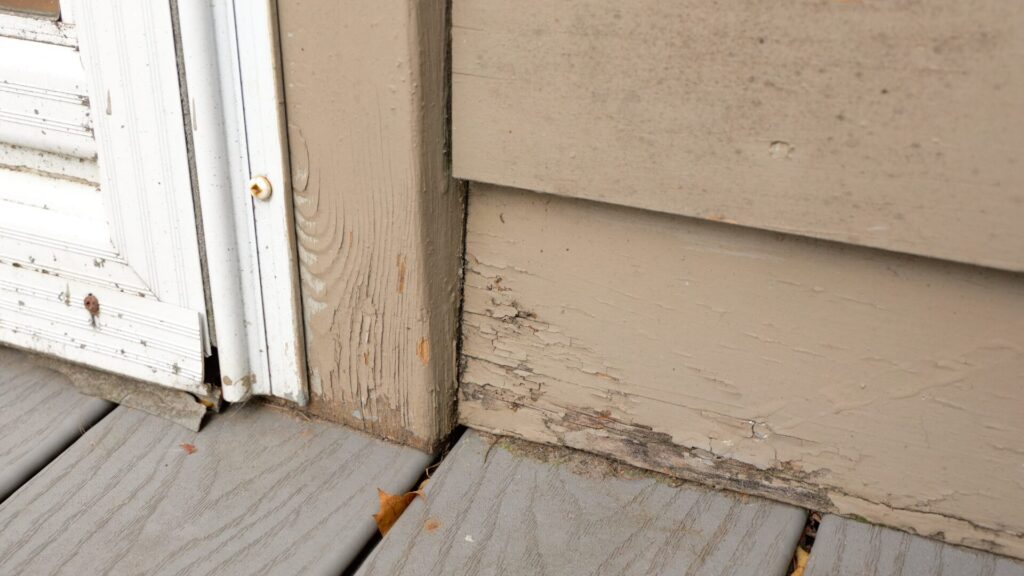
Wood rot starts with moisture. Rain intrusion, failing caulk, clogged gutters, or poor drainage allow water to seep into wood fibers, where fungi begin breaking down the structure over time. Rot typically develops in specific areas—such as window sills, lower trim boards, and joints—rather than across the entire exterior, which is why targeted wood repair is often possible.
When Siding Replacement Makes Sense
There are situations where siding replacement is the right solution. Replacement is typically necessary when:
- Large sections of siding are deteriorated beyond structural integrity
- The siding material itself has reached the end of its service life
- Moisture damage is widespread and ongoing
- Underlying framing or sheathing has been compromised
- Previous repairs failed because moisture sources were never addressed
In these cases, replacement allows homeowners to correct deeper issues and start fresh. The key is knowing whether the damage is truly extensive or simply looks that way from the surface.
When Wood Rot Repair Is the Smarter Option
In many homes, rot is localized, not systemic. Repair is often the better choice when:
- Damage is limited to trim, sills, or individual siding boards
- The majority of the siding remains structurally sound
- Original materials or historic details are worth preserving
- The goal is to stop rot at its source without major demolition
Professional wood repair restores strength to damaged areas while leaving intact materials undisturbed. This approach minimizes waste, shortens timelines, and avoids the disruption that comes with full replacement projects.
Why Repairing Early Changes the Outcome
Timing plays a major role in whether repair or replacement is the better option. When wood rot is addressed early, it is often confined to surface layers or specific joints where moisture first enters. Repairing at this stage allows homeowners to stabilize the structure before decay spreads deeper into framing or sheathing behind the siding.
Waiting too long can change the equation entirely. What begins as a small repair may eventually require removing multiple siding courses or addressing structural components beneath. Early intervention keeps repair scope smaller, preserves more original material, and significantly reduces long-term costs.
Cost and Disruption: Repair vs. Replacement
One of the most noticeable differences between repair and replacement is disruption. Full siding replacement can involve weeks of work, dumpsters in the driveway, exposed walls, and significant construction debris. Repair work, by contrast, focuses only on the affected areas and is typically completed much more quickly.
From a cost perspective, repair is often a fraction of the price of replacement. Homeowners avoid paying for new materials that aren’t necessary and preserve existing craftsmanship that would be expensive or impossible to recreate.
How Moisture Control Affects the Decision
Repair versus replacement is not just about the visible damage. Moisture management plays a critical role in determining which solution will last. Failed caulking, flashing gaps, poor grading, or drainage issues often cause rot in the first place.
When these moisture pathways are identified and corrected, repairing the affected wood becomes a durable, long-term solution. Replacement without addressing moisture sources often leads to the same problems returning, even with brand-new siding. A repair-focused approach looks at the entire system, not just the damaged board.
Preserving the Character of the Home
For neighbors living in older or historic homes, siding replacement can mean losing original profiles, textures, and proportions. Even well-matched replacements rarely replicate aged wood exactly.
Wood rot repair allows those details to remain. Trim profiles stay consistent, window sills maintain their original depth, and transitions between materials remain intact. This preservation-focused approach protects not just the structure of the home, but its architectural story.
Environmental and Sustainability Considerations
Repairing wood rot instead of replacing siding also reduces environmental impact. Siding replacement generates large volumes of construction waste and requires new materials to be manufactured and transported.
Wood repair minimizes waste, preserves usable materials, and extends the life of existing components. For homeowners who value sustainability and responsible preservation, this is an important factor in the decision.
How Repair Impacts Long-Term Home Value
Preserving original siding and trim can positively affect a home’s long-term value. Buyers often appreciate homes where original details have been thoughtfully maintained rather than replaced with modern substitutes that may not suit the home’s character.
Repair also helps maintain visual consistency across the exterior, avoiding the patchwork appearance that can occur when siding is replaced in sections over time. This cohesive look supports curb appeal and signals careful, intentional upkeep.
Repair and Replacement Can Work Together
Repair and replacement are not always all-or-nothing decisions. In some cases, a blended approach makes the most sense. Severely damaged areas may require replacement, while surrounding sections can be repaired and reinforced.
This targeted strategy avoids unnecessary replacement while still ensuring structural integrity and long-term protection.
A Thoughtful Path Forward
When faced with wood rot, homeowners deserve options rooted in preservation, not pressure. Professional wood restoration offers a way to repair what’s damaged while keeping what’s still strong.
Preservan’s approach focuses on permanent preservation backed by science and a 10-year warranty, using EverResin, a white-label epoxy system engineered specifically for long-term wood restoration.
For more information, you can book an assessment today to understand whether wood rot repair or siding replacement is truly the right next step for your home.