
Before You Replace a Rotten Door Frame, Ask These 5 Questions
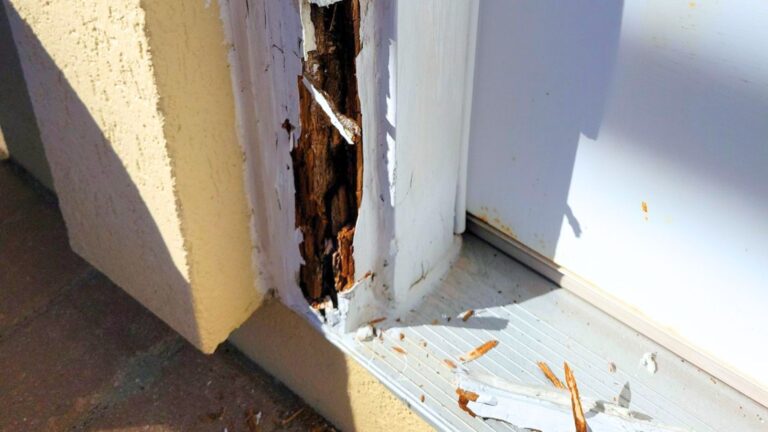
A rotten door frame doesn’t automatically mean you need a full door and frame replacement. Before signing off on an expensive tear-out, ask how far the rot has actually spread, what caused it, whether repair is a realistic option, how long a repair will hold up, and what warranty backs the work. In many cases, permanent wood repair costs less, takes less time, and preserves the door system you already have.
Table of Contents
How Far Has the Rot Actually Spread?
Wood rot often looks worse than it is. A contractor who pokes a screwdriver into soft wood and immediately recommends full replacement may be skipping a step: mapping exactly how far the decay extends. Fungal rot spreads through wood fiber, but it doesn’t jump instantly to sound wood nearby. A proper inspection probes multiple points around the frame to find where solid wood begins again. That boundary determines whether you’re looking at a targeted repair or a genuine structural replacement.
What Actually Caused the Rot?
Rot is a symptom, not a root cause. Water intrusion from a failed sealant joint, poor flashing above the frame, or grade sloping water toward the foundation will keep causing rot no matter how many times you replace the wood. Ask any contractor to identify the moisture source before quoting a fix. If they can’t answer that question, you’re likely getting a repair that fails again within a few years, whether it’s a patch or a full replacement.
Is Repair Actually a Realistic Option?
Modern epoxy consolidants and wood fillers can restore structural integrity to a frame that’s rotted but not fully collapsed, often at a fraction of the cost of tearing out the entire door system. This isn’t a cosmetic patch; done correctly, it rebuilds the wood’s load-bearing capacity so the frame functions like sound lumber again. Full replacement makes sense when rot has compromised the frame at multiple structural points or when the surrounding wall framing is also affected. Ask for a clear explanation of which category your damage falls into before agreeing to either option.
- How far has the rot spread, and where does sound wood begin
- What’s causing the moisture intrusion in the first place
- Is targeted repair realistic, or is the damage structural
- How long is the repair expected to last
- What warranty backs the work
How Long Will a Repair Actually Last?
Homeowners often assume repaired wood is a temporary fix compared to new material. That’s not necessarily true. Properly executed epoxy repair systems bond to and reinforce existing wood fiber, and when the original moisture source is corrected first, a well-done repair can outlast the surrounding original wood. The key variable isn’t repair versus replacement, it’s whether the underlying cause of the rot was fixed. A brand-new door frame installed without addressing the water intrusion will rot again on the same timeline as the one it replaced.
What Warranty Backs the Work?
Ask specifically what’s covered: the repair material, the labor, or both, and for how long. A contractor confident in a repair method will typically stand behind it with a meaningful written warranty rather than a vague verbal assurance. This is also where it’s worth asking whether the same warranty terms apply to a repair as they would to full replacement. If a company only warranties replacement work, that’s worth noting as you weigh your options.
Why This Matters for Your Home’s Character
Original doors and frames, especially in older homes, are often built from old-growth wood that’s denser and more rot-resistant than what’s available new today. Replacing that wood with modern lumber can mean trading a naturally durable material for one that needs more maintenance going forward. Preserving the original frame through repair keeps that built-in durability intact, along with the architectural details that a stock replacement door often can’t match exactly.
Preservan specializes in permanent wood repair rather than default replacement, using structural epoxy systems built to restore rotted frames without tearing out what doesn’t need to go. If you’re facing a quote for full door frame replacement, get a second opinion focused on repair first. Request an evaluation and find out whether your frame can be saved.