
Does Wood Restoration or Replacement Save Homeowners More Money?
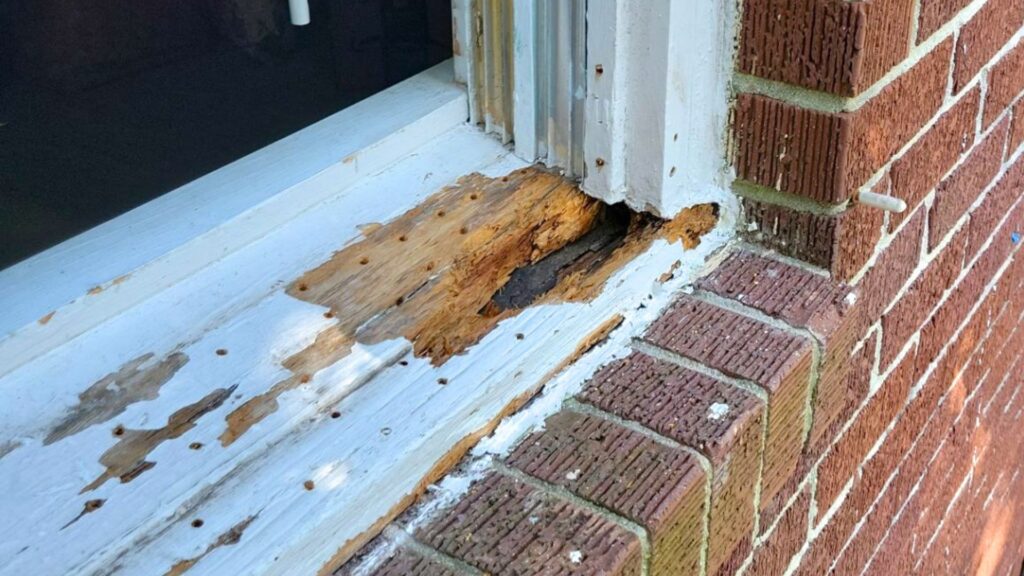
When wood rot appears on your home’s exterior, replacement is rarely the only option. Professional wood restoration costs significantly less, preserves original materials, and delivers lasting results. Understanding the real cost comparison helps you avoid spending two to five times more than necessary.
Table of Contents
Spotting rotten wood on your trim, fascia, or porch columns triggers an immediate reaction: get it replaced. That instinct often leads to spending far more than necessary. Today’s professional wood restoration methods stabilize deteriorated wood, restore structural integrity, and produce results indistinguishable from new material, at a fraction of replacement cost. For most homeowners dealing with exterior wood rot, the decision between wood restoration vs. replacement is also a decision about how much they’re willing to overpay.
How to Tell If Rotting Wood Can Be Restored
Not all rot is equal, and that distinction drives your repair bill. Surface decay, early soft rot, and localized damage confined to the outer layers of a board are typically strong candidates for restoration. The wood beneath remains structurally intact, and the affected area can be stabilized without removing the original material.
Deep structural rot that has compromised load-bearing members, or extensive decay spread across large continuous sections of siding, may genuinely require replacement. According to the USDA Forest Service Forest Products Laboratory, wood treated with consolidants and two-part epoxy fillers can achieve mechanical performance comparable to sound wood when properly applied to early-to-moderate decay. Most exterior wood rot that homeowners encounter falls well within that restorable range.
The Real Cost of Replacing Rotten Wood
The cost of repairing or replacing rotten wood can add up quickly. While routine exterior maintenance often costs hundreds of dollars, extensive wood rot repairs can easily reach into the thousands, especially when multiple areas of a home are affected. Window surrounds, fascia boards, porch components, and decorative trim are all vulnerable to moisture damage, and repairs often become more complex once hidden deterioration is discovered. Regular maintenance helps homeowners identify and address issues early, reducing the likelihood of major restoration expenses later on.
Replacement also carries hidden expenses. New material needs to be painted, caulked, and blended with existing finishes. On older homes or character properties, matching original profiles and wood species is often difficult and expensive. Custom millwork reproduction can cost more than the labor itself. Homeowners who price replacement projects frequently find the total is significantly higher than the initial estimate suggested.
What Professional Wood Restoration Costs and Delivers
Professional exterior wood restoration typically involves removing deteriorated material, stabilizing the remaining wood with a penetrating consolidant, rebuilding the damaged area with a two-part epoxy compound, and finishing the repair to match the surrounding surface. For localized areas of damage, restoration is often significantly less expensive than full component replacement, particularly when the affected wood features decorative trim, custom profiles, or hard-to-source materials. Costs vary based on the extent of the damage, accessibility, and finishing requirements, but restoration is frequently the most cost-effective option when rot is identified and addressed early.
Properly executed repairs last 10 to 20 years with standard maintenance. The restored area accepts paint and stain the same as the surrounding wood, blends with the original material, and does not require the structural work that replacement involves. For homeowners asking whether rotten wood can be restored, the practical answer is yes, in the majority of real-world cases they encounter on a home’s exterior.
The Value of Preserving Original Architectural Details
For older homes, historic properties, or houses with custom millwork, the decision to restore or replace wood trim carries an aesthetic dimension beyond cost. Replacement with modern stock trim rarely matches the proportions, profile detail, or wood species of the original. Once original material is removed, it cannot be recovered.
Restoration preserves what was built. Homeowners who care about the architectural character of their property, not just its function, find that professional wood restoration is the only option that keeps that character intact. That matters alongside the cost savings, and for many homeowners, it matters more.
When Replacement Is the Right Answer
Restoration is not universally appropriate. If rot has penetrated structural framing members, spread across extensive continuous sections of cladding, or compromised areas that are inaccessible for long-term monitoring, replacement is the right call. A qualified wood restoration specialist can assess what is genuinely salvageable versus what needs to come out. The goal is not to restore everything regardless of condition. It is to restore everything that can be restored well, and replace only what cannot be.
If your home has rotten wood on the exterior, an assessment is the smartest first step before committing to replacement costs. Preservan specializes in professional wood restoration that saves homeowners money without sacrificing quality or longevity. With hundreds of completed projects, we help you make the right call for your home and your budget. Schedule a free assessment today!