
What Most Homeowners Get Wrong About Wood Rot Repair and Replacement
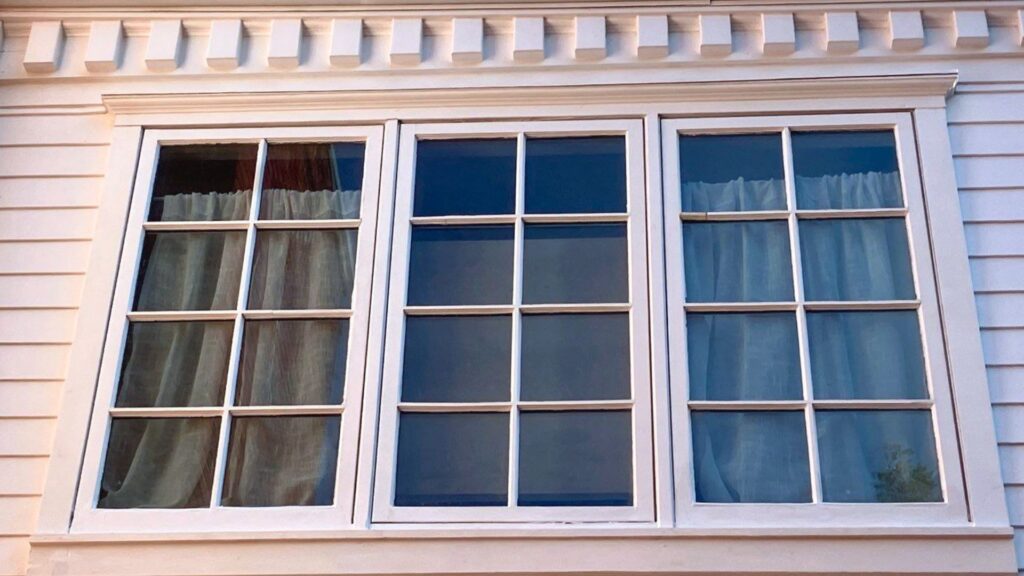
Most homeowners assume replacing rotted wood is the safer long-term fix. It often is not. Professional wood rot repair with epoxy consolidants and fillers can restore structural integrity, preserve original materials, and cost up to 90% less than full replacement, with results backed by a 10-year warranty. Replacement should be a last resort, not a first instinct.
Table of Contents
You spot soft, discolored wood on your window frame, porch post, or door trim. Your first thought: replace it. It’s understandable, rotted wood looks like a lost cause, and that assumption costs homeowners thousands of dollars every year. Before you call for a full tear-out, it’s worth understanding what professional wood rot repair can actually accomplish.
Why Replacement Isn’t Always the “Safe” Choice
Replacement sounds thorough. New materials, fresh start, what could go wrong? Quite a bit can go wrong, actually. When you replace a rotted wood element, you’re removing original materials that may have taken decades to cure and settle into their surroundings. New wood pieces often don’t match existing profiles, require extensive painting to blend, and can introduce moisture vulnerabilities at the seams if not installed perfectly.
Beyond aesthetics, replacement is destructive by nature. It can disturb adjacent materials, lead to water intrusion during the work window, and, in older homes, uncover asbestos, lead paint, or structural surprises that turn a $500 job into a $5,000 project. Repair, by contrast, is minimally invasive and keeps original materials intact.
What Professional Wood Rot Repair Actually Does
Modern wood rot repair isn’t patching over a problem, it’s restoring what was there. Trained technicians remove the decayed material, treat the area to stop active rot, and rebuild the damaged section using professional-grade epoxy consolidants and fillers. The result is a surface that is harder than the surrounding wood, bonds to the existing structure, and can be sanded, painted, and finished to match the original appearance seamlessly.
The critical factor is diagnosis. Not all rot is the same. Surface rot near paint failure behaves differently than deep structural decay. A professional assessment determines how far the rot has penetrated, whether the surrounding wood is stable, and which repair method will hold long-term. That’s expertise a weekend project or a general handyman typically can’t replicate.
Why Repair Is Clearly the Better Investment
Repair tends to deliver superior value when:
- The rot is localized to one section of an otherwise solid member
- The surrounding wood is structurally sound
- The affected area is part of a unique, hard-to-match architectural detail
- You’re dealing with older growth wood that outperforms modern lumber
- Replacement would require full demolition of surrounding materials
In most real-world cases, a rotted window sill, a soft porch column base, deteriorating door trim, repair is not just viable, it’s the smarter move. Preservan’s approach routinely saves homeowners 70 to 90 percent compared to full replacement costs.
When Replacement Makes Sense
Repair isn’t always the answer. If the rot has compromised a large structural load-bearing member beyond recovery, or if the decay has spread so extensively that sound material can no longer hold a repair in place, replacement is the responsible recommendation. A trustworthy wood rot specialist will tell you this directly, and won’t push repair when replacement is genuinely necessary.
That transparency is part of what separates a professional restoration company from a contractor motivated primarily by project size. Good repair technicians lose business when they recommend replacement, so they only do it when there’s no credible alternative.
The Long-Term Case for Restoration
Beyond cost, there’s an environmental argument for repair that’s increasingly relevant. Replacing wood elements generates construction waste and demands new material production. Restoration extends the life of what’s already there, reduces landfill burden, and preserves the original character of your home. For homeowners in older neighborhoods where architectural details matter, or for anyone restoring a historic property, keeping original wood intact has real value that replacement simply cannot replicate.
There’s also the matter of proven durability. Professional epoxy wood rot repair, done correctly, doesn’t just stop decay. It creates a surface that won’t rot again in the treated area. Paired with proper painting and sealing, a well-executed repair can outlast a replacement piece of new-growth lumber.
Don’t Make the Decision Before Getting an Assessment
The biggest mistake homeowners make is deciding to replace before they’ve had someone look at the problem. That decision is often made on a Saturday morning after a stressful discovery, and it leads to calls to general contractors who aren’t equipped to assess repair potential accurately.
Preservan specializes exclusively in wood rot repair and restoration. If repair is the right call, they’ll handle it with materials and methods designed to last. If replacement is genuinely necessary, they’ll say so and help you understand exactly why.
Don’t spend three times more than you have to on a problem that may have a better solution. The cost difference between repair and replacement is significant, and the long-term results are often comparable or better. Request a professional assessment and see what repair can actually accomplish before committing to a full tear-out and replacement.
With hundreds of satisfied customers and a 10-year warranty backing every project, Preservan brings the expertise to make the right call for your home. Schedule your free assessment today!