
Table of Contents
Eco-friendly fence staining is one of the simplest ways to extend the life of your wood fence while reducing long-term costs. High-quality, low-VOC stains protect against sun, moisture, and mold without harming pets, landscaping, or the environment. When applied properly after thorough cleaning and prep, these products penetrate the wood, prevent damage, and help avoid premature replacement.
Why Fence Staining Matters for Outdoor Wood
Outdoor wood fences are constantly exposed to sun, moisture, and temperature changes. Without proper protection, wood begins to fade, crack, and absorb moisture, which leads to rot and structural damage.
Staining is not just about appearance. It acts as a protective barrier against the elements that cause early failure. According to the U.S. Forest Service, moisture cycling and UV exposure are two of the primary causes of wood deterioration in outdoor structures.
A properly stained fence helps:
- Block harmful UV rays that break down wood fibers
- Reduce moisture absorption that leads to swelling and rot
- Help prevent splitting, warping, and surface cracking
Skipping this step often leads to premature aging and costly repairs that could have been avoided with routine maintenance.
What Makes Fence Staining Eco-Friendly
Not all stains are created equal. Traditional products often contain high levels of volatile organic compounds, which can release harmful chemicals into the air and surrounding soil.
Eco-friendly fence staining focuses on safer, more sustainable materials and methods. These products are designed to protect your wood while minimizing environmental impact.
Key features of eco-friendly staining include:
- Low-VOC formulas that reduce air pollution
- Safer application around pets, children, and landscaping
- Reduced runoff into soil and nearby water systems
- Longer-lasting performance, which means fewer reapplications
This approach supports a smarter way to maintain your property by preserving existing materials instead of replacing them unnecessarily.
How Eco-Friendly Staining Extends Fence Lifespan
The biggest advantage of eco-friendly staining is not just safety. It is performance. High-quality stains penetrate the wood instead of sitting on the surface, which creates longer-lasting protection.
When stain penetrates deeply into the wood fibers, it:
- Moves with natural expansion and contraction
- Reduces peeling and flaking over time
- Creates a stronger barrier against water intrusion
Surface coatings tend to fail faster because they cannot adapt to the natural movement of wood. Penetrating stains hold up better over time and provide more consistent protection.
By preventing water intrusion and UV damage, staining slows down the aging process. With proper care, a fence can last significantly longer and maintain both its strength and appearance.
Why Preparation Makes or Breaks Results
One of the most overlooked parts of fence staining is preparation. Many failures are not caused by the stain itself, but by poor surface prep.
Before staining, the fence needs to be properly cleaned to remove dirt, mildew, and old residue. Without this step, the stain cannot penetrate effectively.
Professional preparation typically includes:
- Gentle washing to remove buildup without damaging wood
- Eliminating mold and algae that trap moisture
- Ensuring the wood is dry and ready to absorb stain evenly
Skipping prep often leads to uneven color, poor adhesion, and shorter lifespan. A properly prepared surface allows eco-friendly stains to perform as intended and deliver consistent protection.
The Cost of Waiting Too Long
Fence staining is most effective when done proactively. Waiting until visible damage appears usually means the wood has already begun to deteriorate.
Delaying maintenance can lead to:
- Deep cracking and splintering
- Structural weakening from rot
- Increased repair costs or full replacement
Preventative care is almost always more cost-effective than reactive repairs. Staining at the right intervals protects your investment and helps avoid large, unexpected expenses.
A preservation-first approach keeps minor issues from turning into major problems and extends the usable life of your fence.
Professional vs DIY: What Impacts Longevity
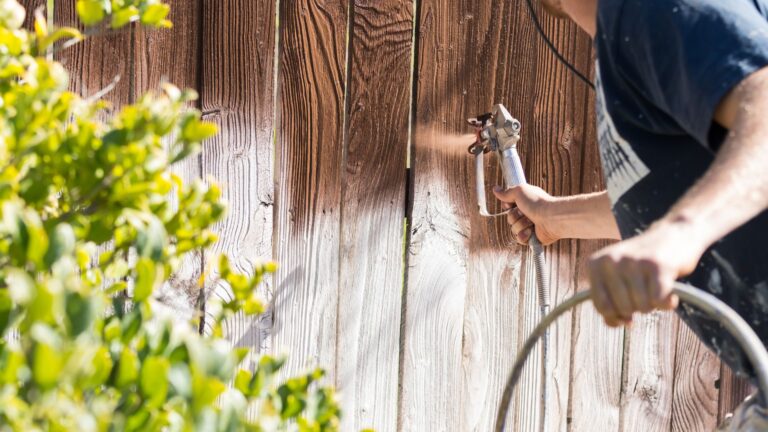
While DIY staining is common, results often vary due to product selection, prep quality, and application technique.
Professional staining services focus on consistency and long-term performance. This includes:
- Even application for full coverage
- Use of eco-friendly, professional-grade products
- Proper timing based on weather conditions
Professionals also understand how different wood types respond to stain, which helps ensure better absorption and durability.
Using the right materials and process from the start makes a noticeable difference in how long the results last.
Protect Your Fence Before Damage Sets In
Eco-friendly fence staining is not just a maintenance task. It is a practical way to extend the life of your fence, reduce long-term costs, and avoid unnecessary replacement.
Preservan has helped thousands of homeowners take a proactive approach to wood care through professional cleaning and staining services backed by years of hands-on experience.
If your fence is showing signs of wear or has not been maintained recently, schedule a professional evaluation and get a clear plan to protect it moving forward.