
Table of Contents
Wood rot is caused by moisture and fungi breaking down wood from the inside out. Most repairs fail because they only address surface damage. Professional wood rot repair services stop decay at the source by removing compromised material, eliminating moisture, and reinforcing the remaining wood. This approach restores strength, extends lifespan, and often avoids the cost of full replacement.
If you’ve noticed soft wood, peeling paint, or crumbling trim around your home, you’re not just dealing with a cosmetic issue. Wood rot is an active process that continues to spread as long as moisture is present. The challenge is that many common fixes only cover the damage instead of stopping it. Understanding how wood rot develops and how professional wood rot repair services address it at the source can help you avoid repeat repairs and unnecessary replacement costs.
What Causes Wood Rot and Why It Spreads
Wood rot begins when moisture creates the right environment for fungi to grow. According to the USDA Forest Products Laboratory, wood becomes vulnerable to decay when its moisture content rises above about 20 percent. Once that threshold is reached, fungi begin breaking down the structural fibers that give wood its strength.
This process does not stop on its own. As long as moisture remains present, the decay continues to spread deeper into the material. Areas that trap water or experience repeated wet-dry cycles are especially vulnerable, including exterior trim, window sills, doors, and decks.
The key takeaway is simple. Wood rot is not just surface damage. It is a biological process happening inside the wood, which is why it requires more than a cosmetic fix.
Why Most Wood Rot Repairs Fail
Many traditional repair methods focus on appearance instead of the underlying cause. Filling soft areas or repainting damaged wood may improve how it looks, but it does not stop the decay process.
Common problems with temporary fixes include:
- Moisture remains trapped beneath the surface
- Fungal activity continues inside the wood
- Repairs break down within a short period of time
This leads to a frustrating cycle where the same areas need attention again and again. Without removing the source of the problem, the damage continues to return. Professional wood rot repair services take a different approach by addressing both the visible damage and the conditions that allow decay to continue.
How Wood Rot Repair Services Stop Decay Permanently
Permanent repair requires more than patching damaged areas. Modern wood rot repair services are designed to eliminate the source of decay and restore the integrity of the remaining wood.
A proper repair process typically includes:
- Removing all decayed and compromised material
- Drying the wood to eliminate moisture
- Applying a penetrating bonding agent that stabilizes the structure
- Rebuilding and sealing the repaired area
This process works because it addresses both the biological and structural causes of rot. By stopping moisture intrusion and reinforcing the existing material, the repair prevents future decay in the same area. Instead of replacing large sections, it preserves what is still sound and restores it for long-term performance.
Repair vs Replacement: A Smarter Long-Term Approach
Full replacement is often assumed to be the only solution, but in many cases, it is unnecessary. Wood rot is frequently localized, even when it appears widespread on the surface.
Choosing wood rot repair services instead of replacement can:
- Preserve original materials and craftsmanship
- Reduce project costs significantly
- Avoid unnecessary demolition and disruption
- Extend the life of existing structures
This approach focuses on restoring rather than removing. For many homeowners, it offers a more practical and cost-effective way to address damage while maintaining the integrity of the home.
Where Wood Rot Commonly Develops
Wood rot tends to appear in areas where moisture is able to collect or linger. These locations are more likely to experience repeated exposure, making them ideal conditions for decay to begin.
The most common problem areas include:
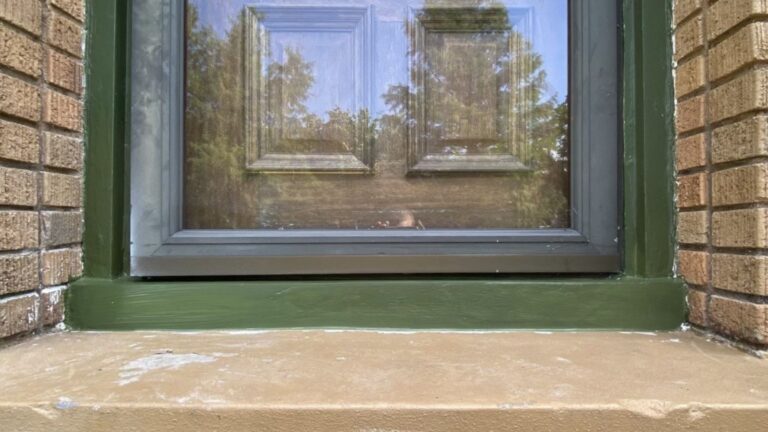
- Window trim and sills
- Door frames and thresholds
- Garage door trim
- Deck boards and railings
These areas often go unnoticed until the damage becomes visible. Catching early signs, such as soft wood or peeling paint, can make a significant difference in how extensive the repair needs to be.
Don’t Replace It. Repair It the Right Way.
If you’re seeing signs of wood rot, addressing it early can prevent more extensive damage and unnecessary replacement. Professional wood rot repair services focus on stopping decay at the source and restoring the strength of your existing wood.
Preservan has completed thousands of wood repair projects and backs its work with a long-term warranty designed for lasting results.
Schedule a consultation to find out if your wood can be repaired instead of replaced.